Philip Guston
Video playing
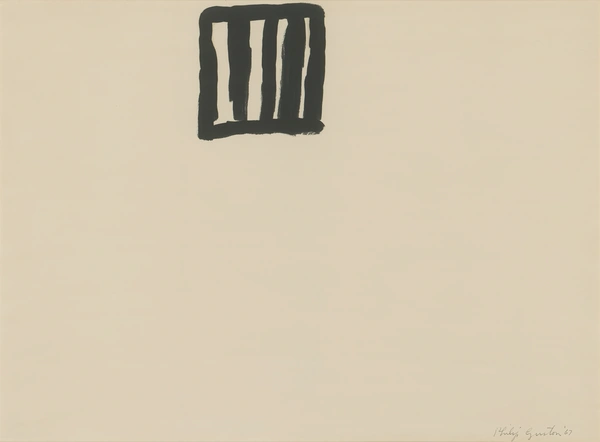
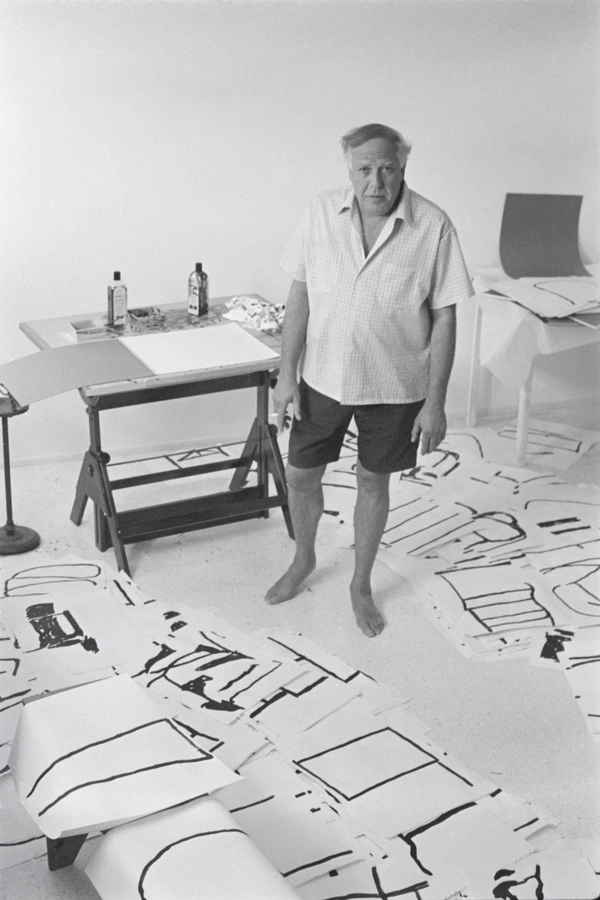
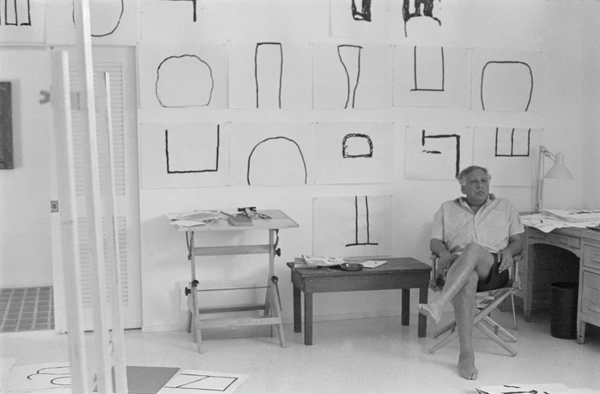
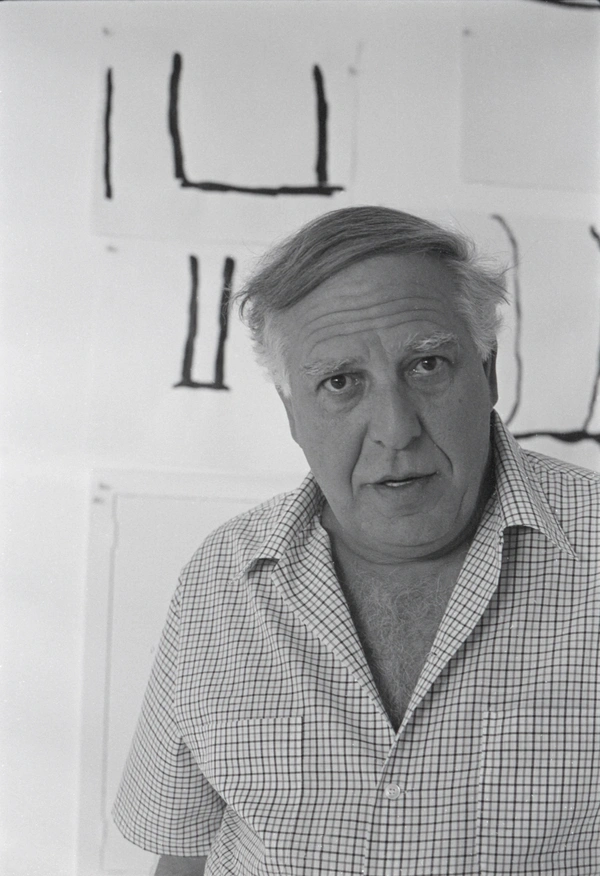
Philip Guston (1913–1980) was a groundbreaking American painter whose career spanned social realism, abstraction, and the bold figuration for which he is now best known. In the 1930s, his murals portrayed social injustice as well as less politically engaged subjects for US government buildings. Achieving recognition for his easel paintings during the 1940s, he rose to prominence in the following decade as a leading abstract expressionist in New York.
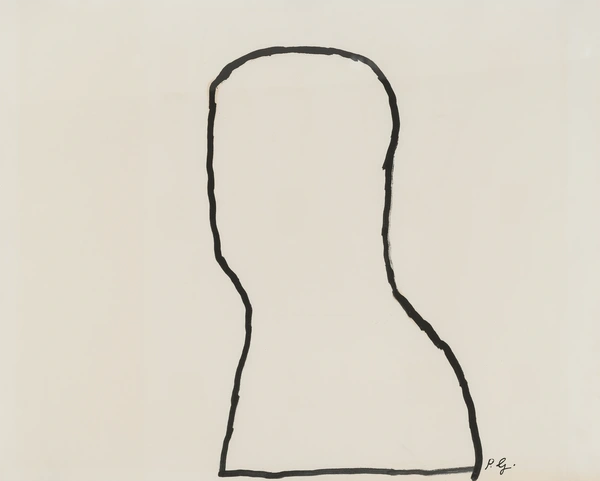
Amid the political and social upheaval of the late 1960s, Guston made a radical shift to raw, painterly imagery of hooded figures, everyday objects, and urban fragments, confronting themes of violence and racism, culpability, and deeply personal allegories of the human condition. His initially controversial transformation is now celebrated for its courage, vision, and enduring influence on contemporary art.
News & Features
Philip Guston: The Irony of History Opens at Museé Picasso-Paris
October 14, 2025
New Edition: Coalition for the Homeless Artist Plate Project
April 17, 2025
Restoration of Philip Guston’s 1935 Mural, The Struggle Against Terrorism, Unveiled in Morelia, Mexico
February 12, 2025
Philip Guston at The Met: Musa Guston Mayer Reflects On Her Father's Art
July 21, 2023
Selected Works
View all SelectedCatalogue Raisonné
The Guston Catalogue Raisonné LLC is pleased to present this digital catalogue raisonné as the authoritative resource for the study of Philip Guston’s oeuvre. The Catalogue Raisonné may be explored through our themed collections below or searched by title, date, and catalogue number. Entry requires acceptance of the Terms and Conditions of Use.
A Lecture by Philip Guston: To Make A Mark
The New York Studio School, 1968