Philip GustonIntroduction
A painting feels lived-out to me, not painted. That’s why one is changed by painting. In a rare magical moment, I never feel myself to be more than a trusting accomplice. So, the paintings aren’t pictures, but evidences — maybe documents, along the road you have not chosen, but are on nevertheless.
— Philip Guston
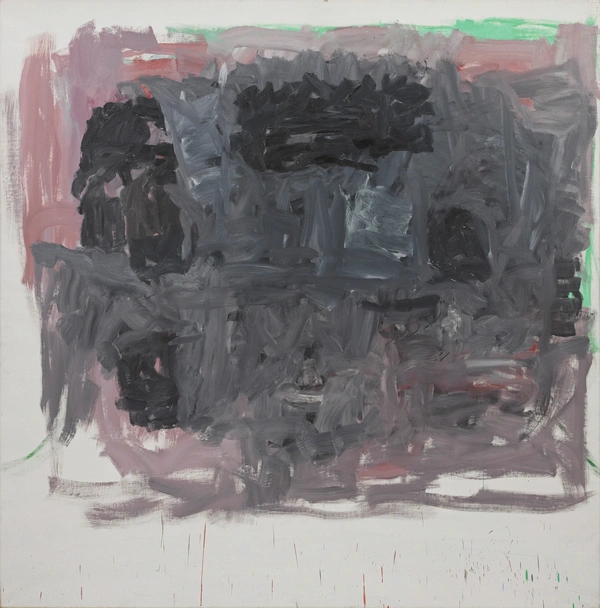
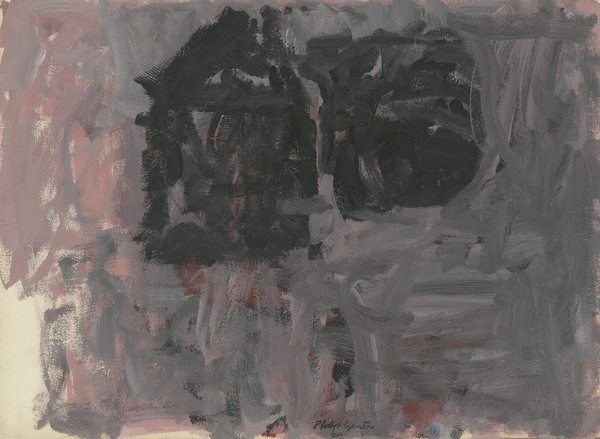
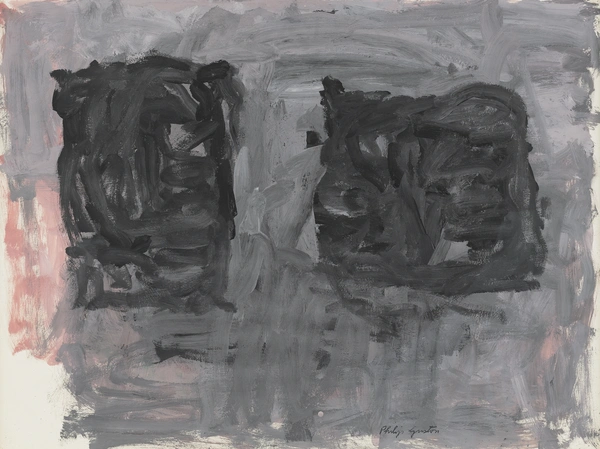
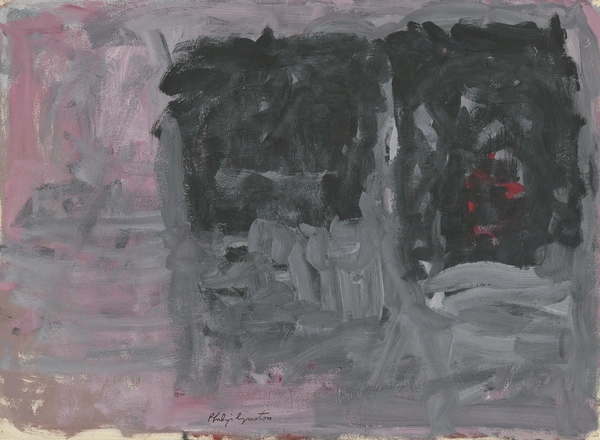
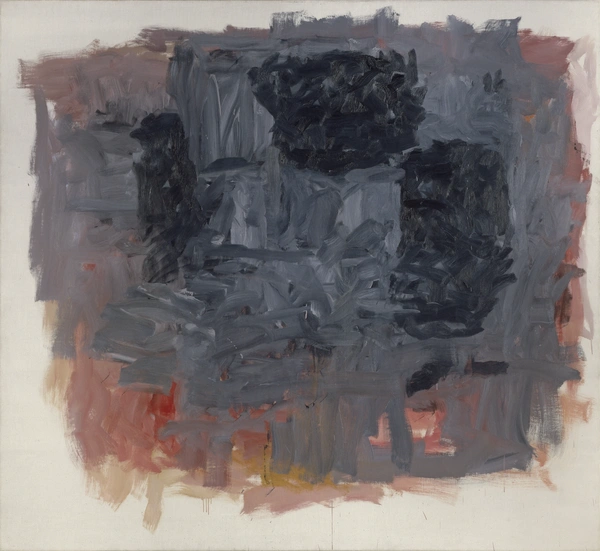
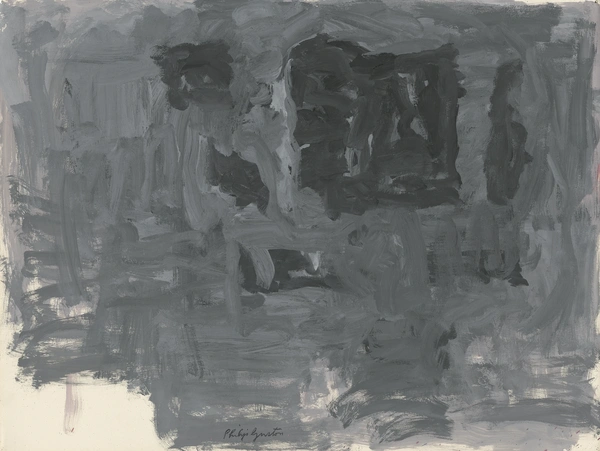
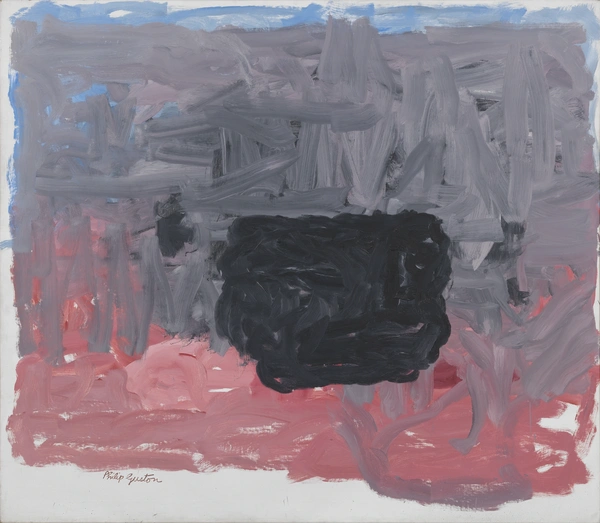
Philip Guston (1913–1980) was a groundbreaking American painter whose career spanned social realism, abstraction, and the bold figuration for which he is now best known. In the 1930s, his murals portrayed social injustice as well as less politically engaged subjects for US government buildings. Achieving recognition for his easel paintings during the 1940s, he rose to prominence in the following decade as a leading abstract expressionist in New York. Amid the political and social upheaval of the late 1960s, Guston made a radical shift to raw, painterly imagery of hooded figures, everyday objects, and urban fragments, confronting themes of violence and racism, culpability, and deeply personal allegories of the human condition. His initially controversial transformation is now celebrated for its courage, vision, and enduring influence on contemporary art.
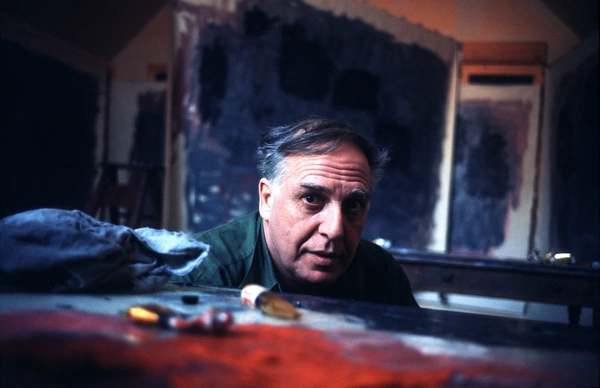
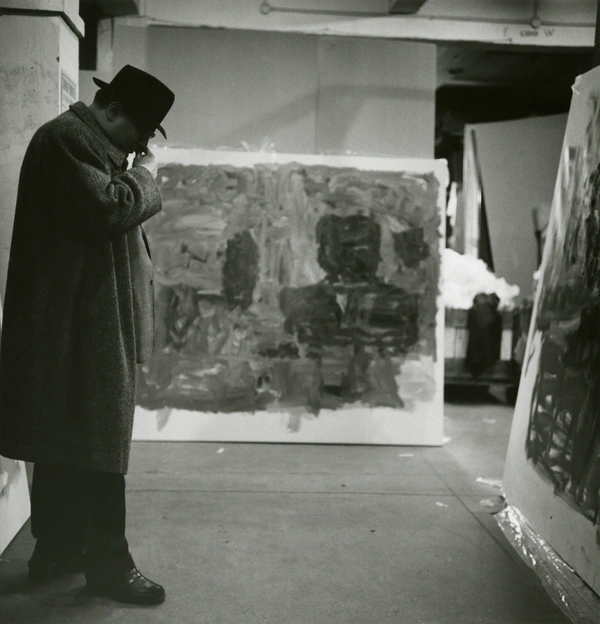
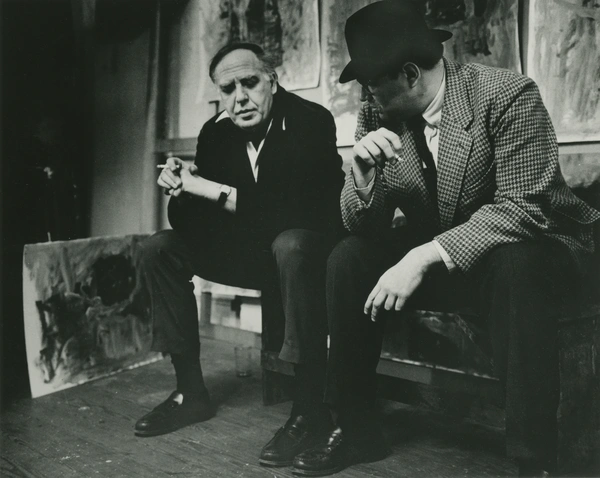
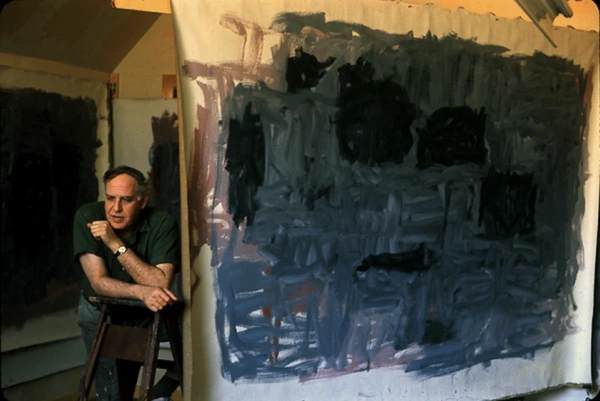
Philip in his Woodstock studio, 1964
Photo: Dan Budnik © 2020 Dan Budnik. All Rights Reserved.
PhilipGuston.org offers a number of ways to learn about the life and work of the American artist Philip Guston. Short videos narrated by the artist serve as an introduction, accompanied by six curated collections of his art in differing mediums and periods. At the heart of our Life and Work section is a year-by-year illustrated chronology of Guston’s life and his legacy over the years since his death in 1980. We update our website with news and features about current exhibitions, publications and events, and an expanding selection of his writings and lectures.
Our Catalogue Raisonné contains a searchable, fully interactive dynamic database of the artwork, with a complete listing of all the paintings, and an ever-growing database of drawings as we complete the catalogue. We offer illustrated detail on numerous exhibitions of Guston’s artwork since 1930, on every museum collection that contains Guston’s art, and a comprehensive and up-to-date bibliography.
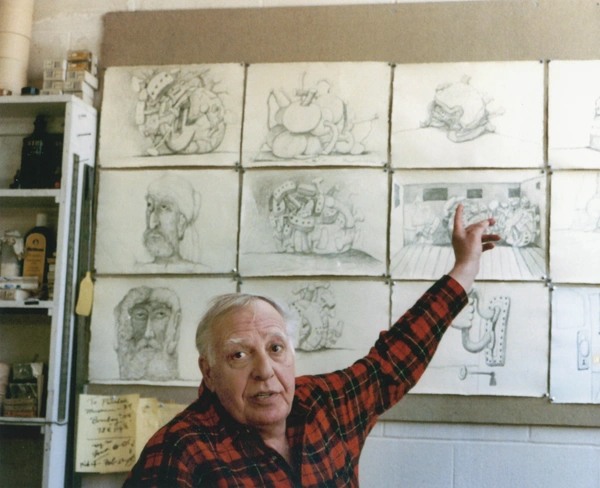
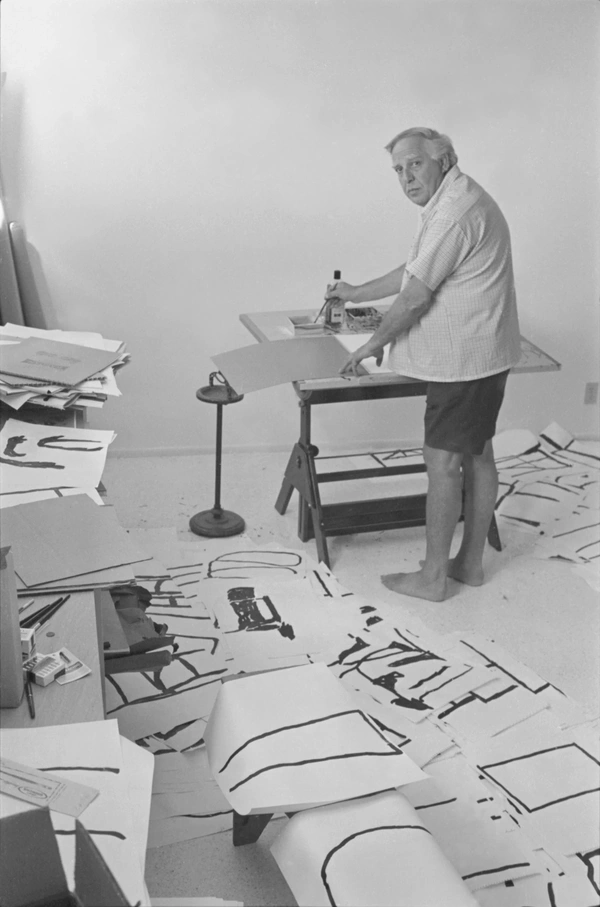
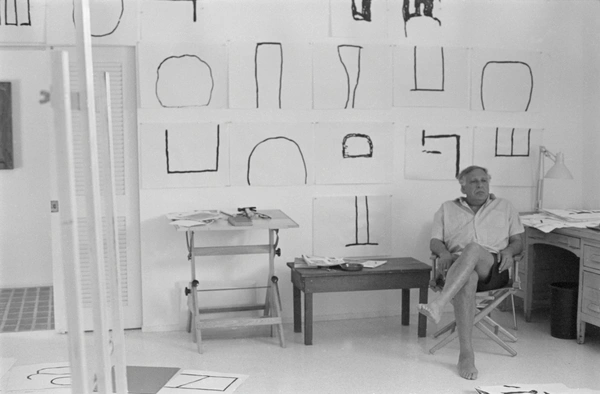
Philip in his Woodstock studio, 1980
Photograph by Sidney B. Felsen
Morton Feldman and Philip Guston in Conversation: I Can't Get Away From Stories
New York Studio School October 23, 1968